こだわり
Kodawari
‘‘A dedication to one's craft, expressed through the smallest details.’’

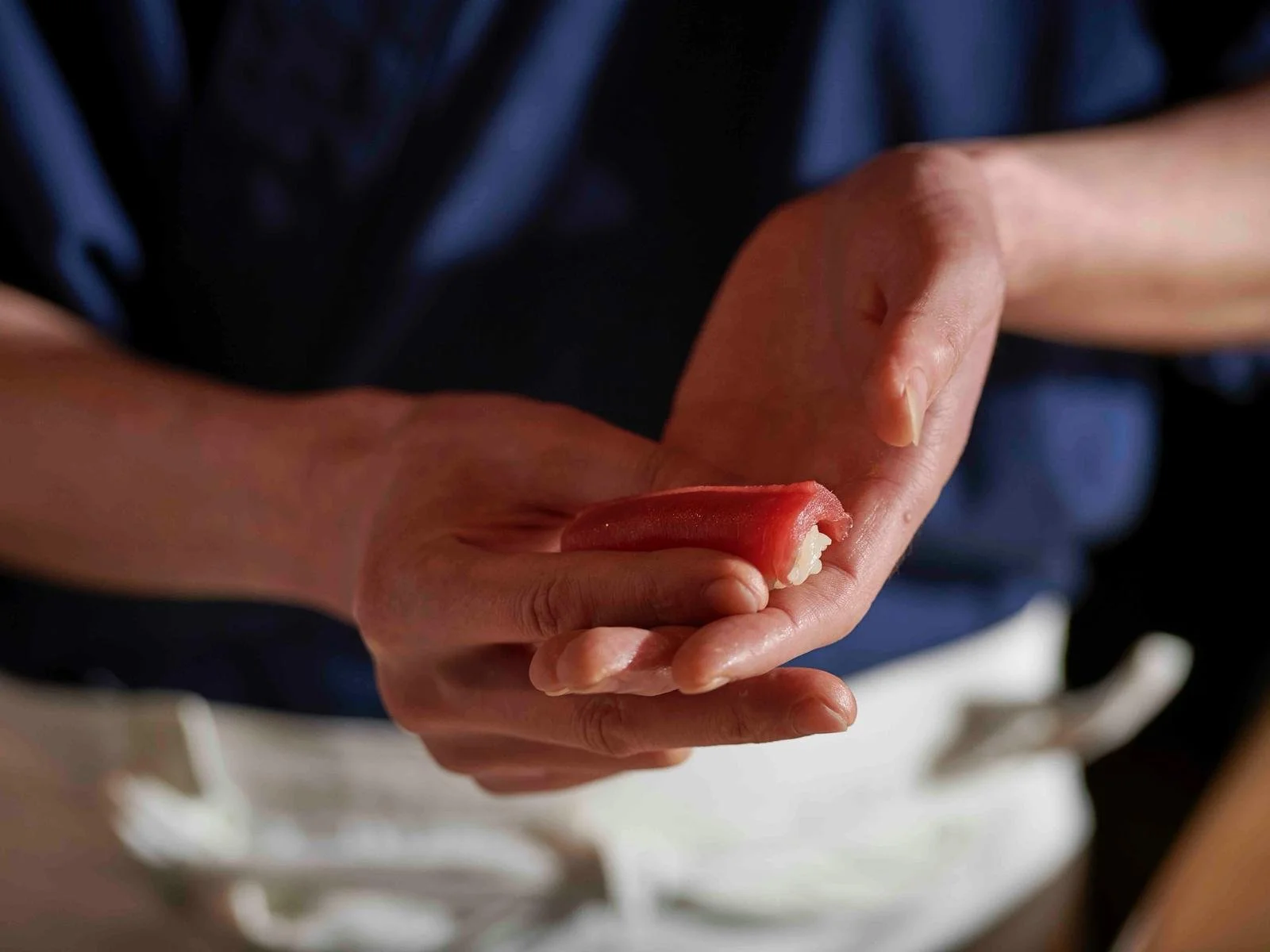
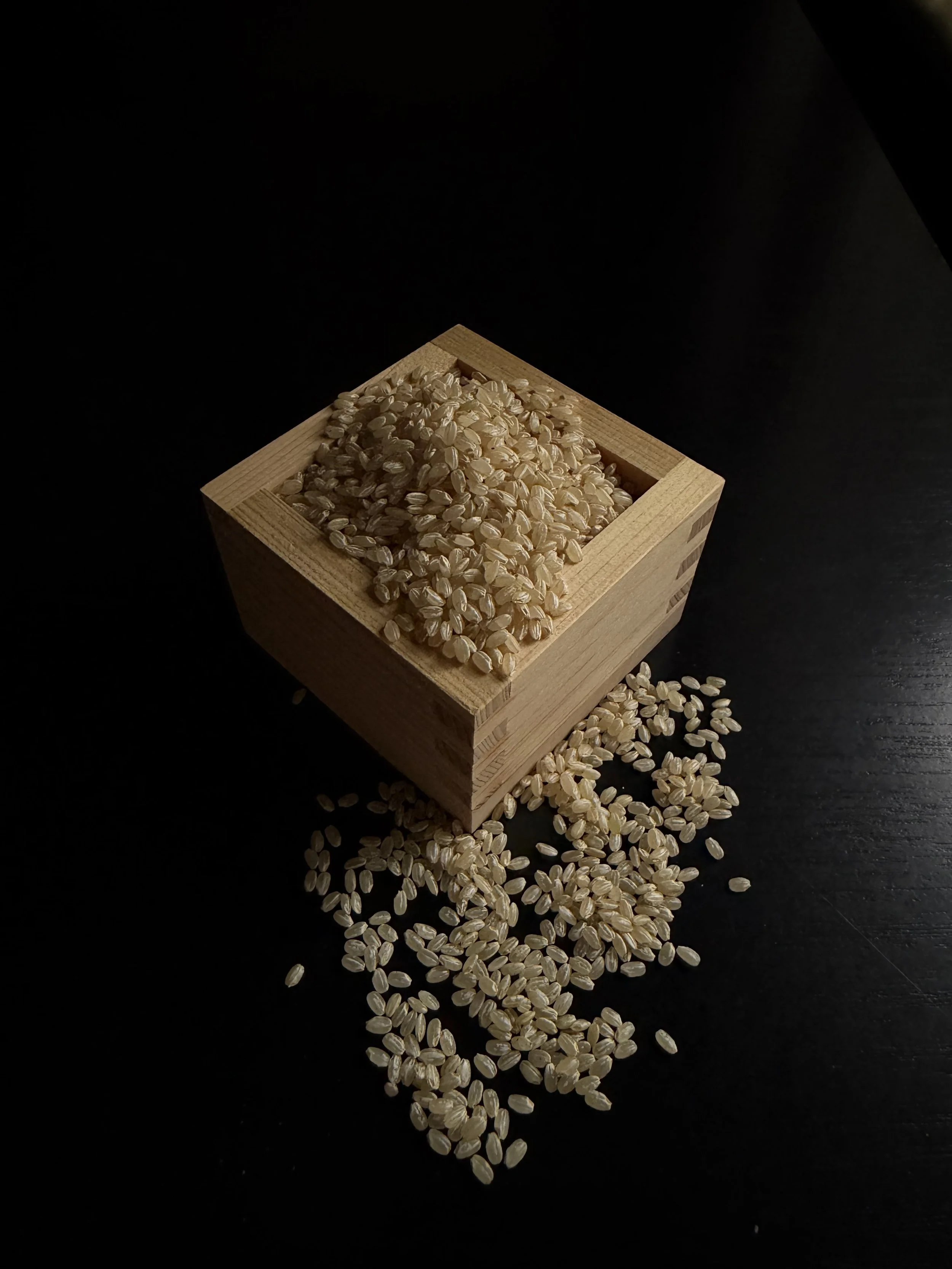
Rice
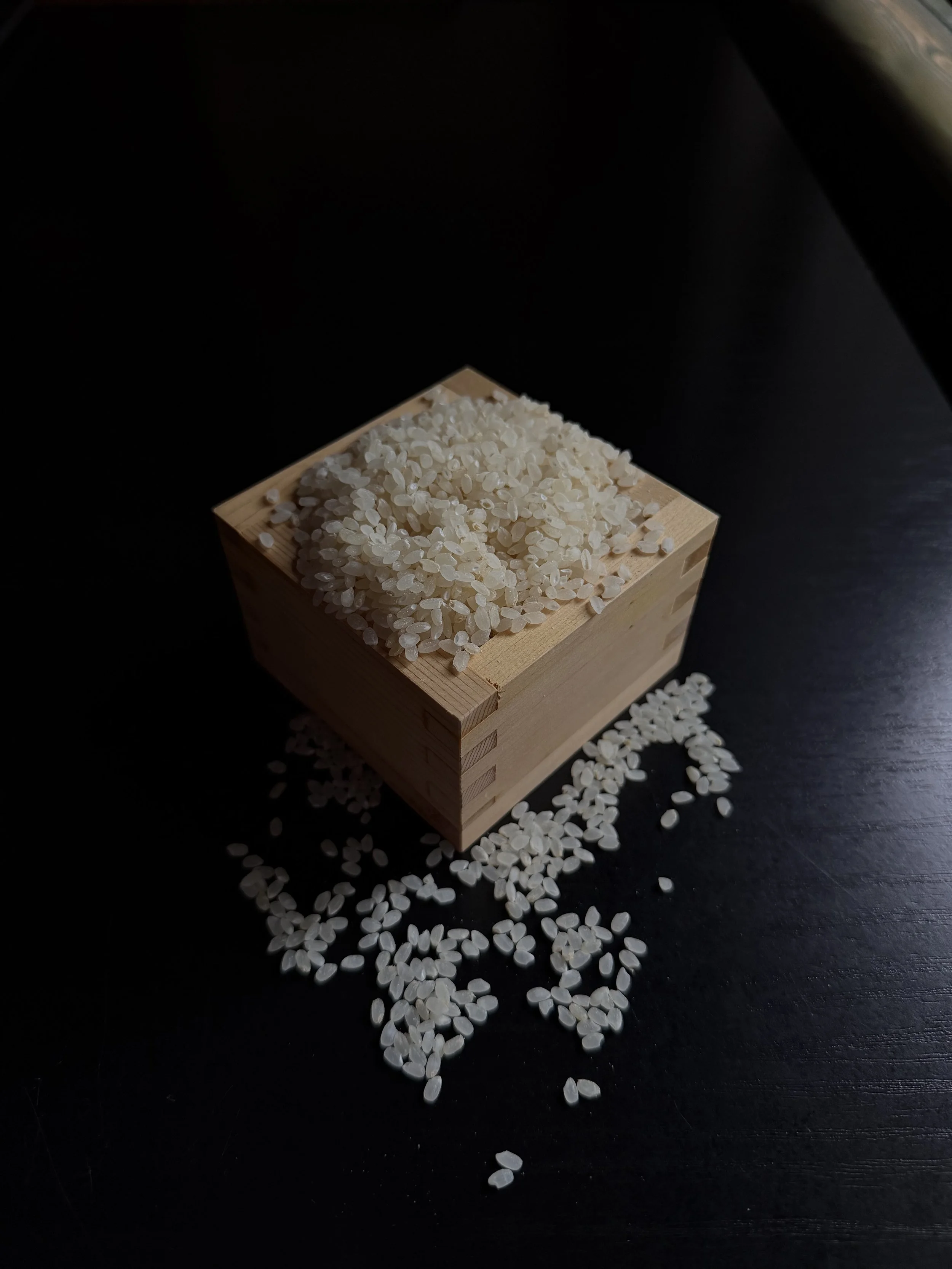
Sourced in Japan. Polished fresh every day.
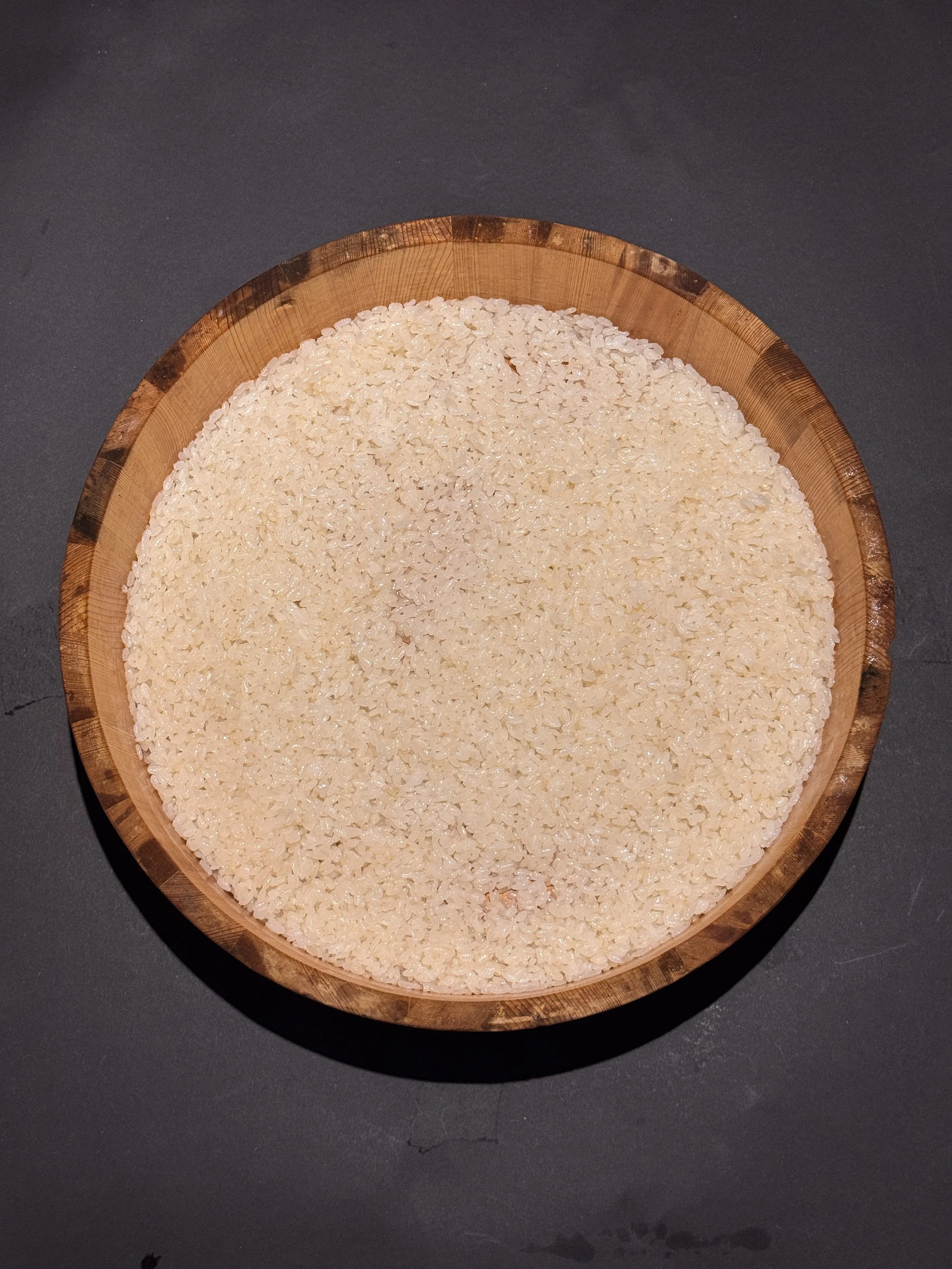
Our rice begins its journey in Niigata, Japan, a region known for its long tradition of rice cultivation. Working closely with Eco Rice, we source carefully selected rice that makes its way to Amsterdam in its natural, unpolished form.
While most restaurants work with rice that has already been polished, we have chosen a different approach. Each day, we polish the rice ourselves, removing the outer bran layers shortly before preparation. This allows us to work with freshly polished grains and gives us greater control over their texture, aroma and character.
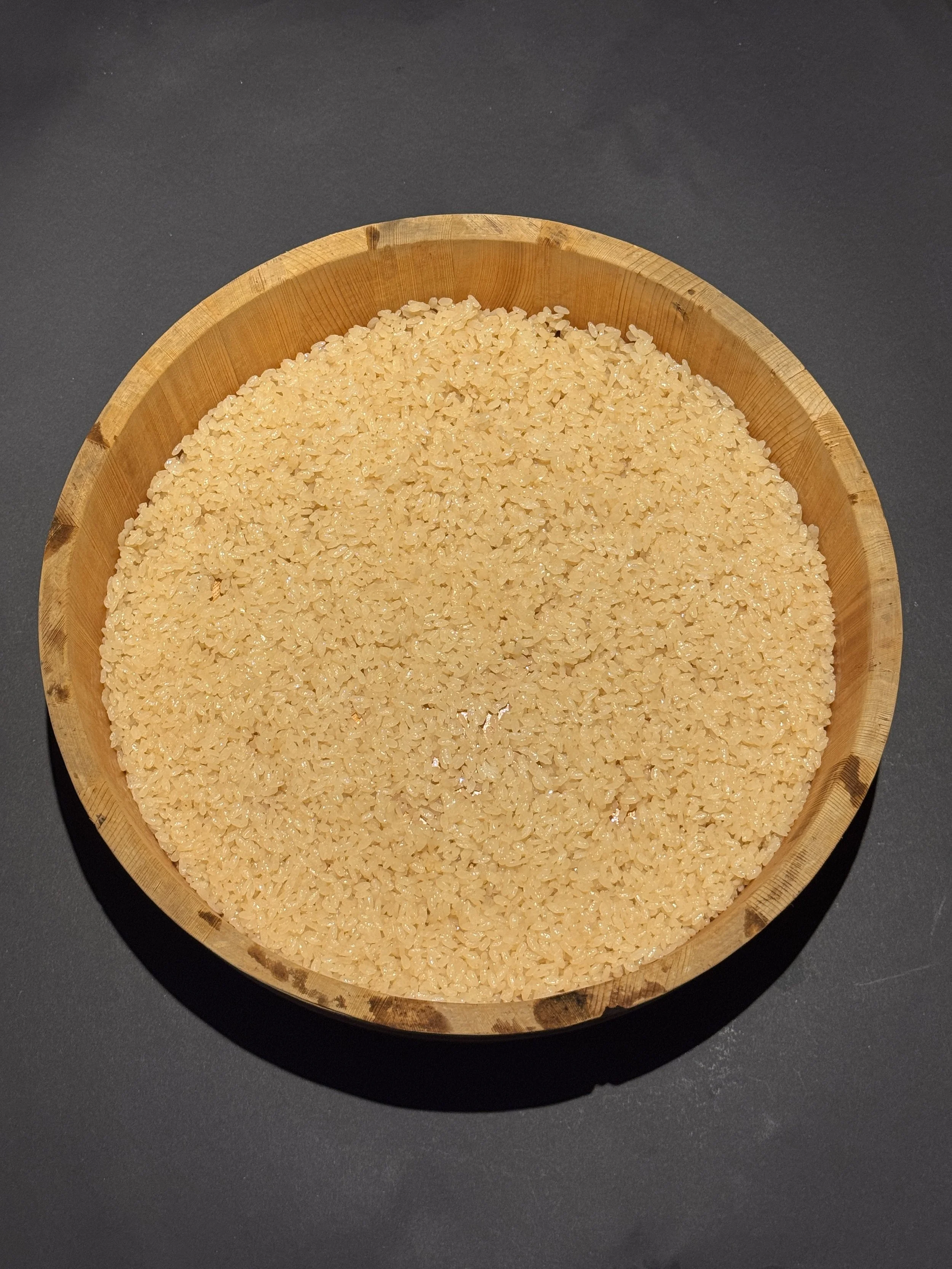
The preparation continues long before our guests arrive. Approximately two hours before service, the rice is carefully cooked, with particular attention to timing and consistency. Once cooked, it is seasoned with our sushi vinegar and left to rest for approximately thirty minutes, allowing the seasoning to settle and the rice to reach its intended texture.
The prepared rice is then transferred to a Japanese rice warmer, specially brought over from Japan, where it is kept at the desired temperature throughout the evening.
It is a process that takes place quietly, behind the scenes, every single day. Yet it forms the foundation of every piece of sushi we serve.
Vinegar
A delicate balance of flavour
The relationship between rice and fish is an essential part of sushi. While the fish often receives the most attention, the seasoning of the rice plays an equally important role in shaping the overall flavour.
We prepare two types of shari, using both white and red sushi vinegar. Each brings its own character to the rice and complements different types of fish.
White vinegar creates a lighter, more delicate flavour, making it particularly suitable for subtle white fish. Red vinegar, with its deeper and more rounded character, pairs naturally with richer fish such as tuna, adding depth without overwhelming its flavour.
Choosing between the two is a matter of understanding how the rice and fish work together. The acidity of the vinegar, the richness of the fish and the way it has been prepared all influence the final balance.
The result is not simply rice accompanying fish, but two ingredients working together to create a single, balanced bite.
Fish
Understanding the ingredient
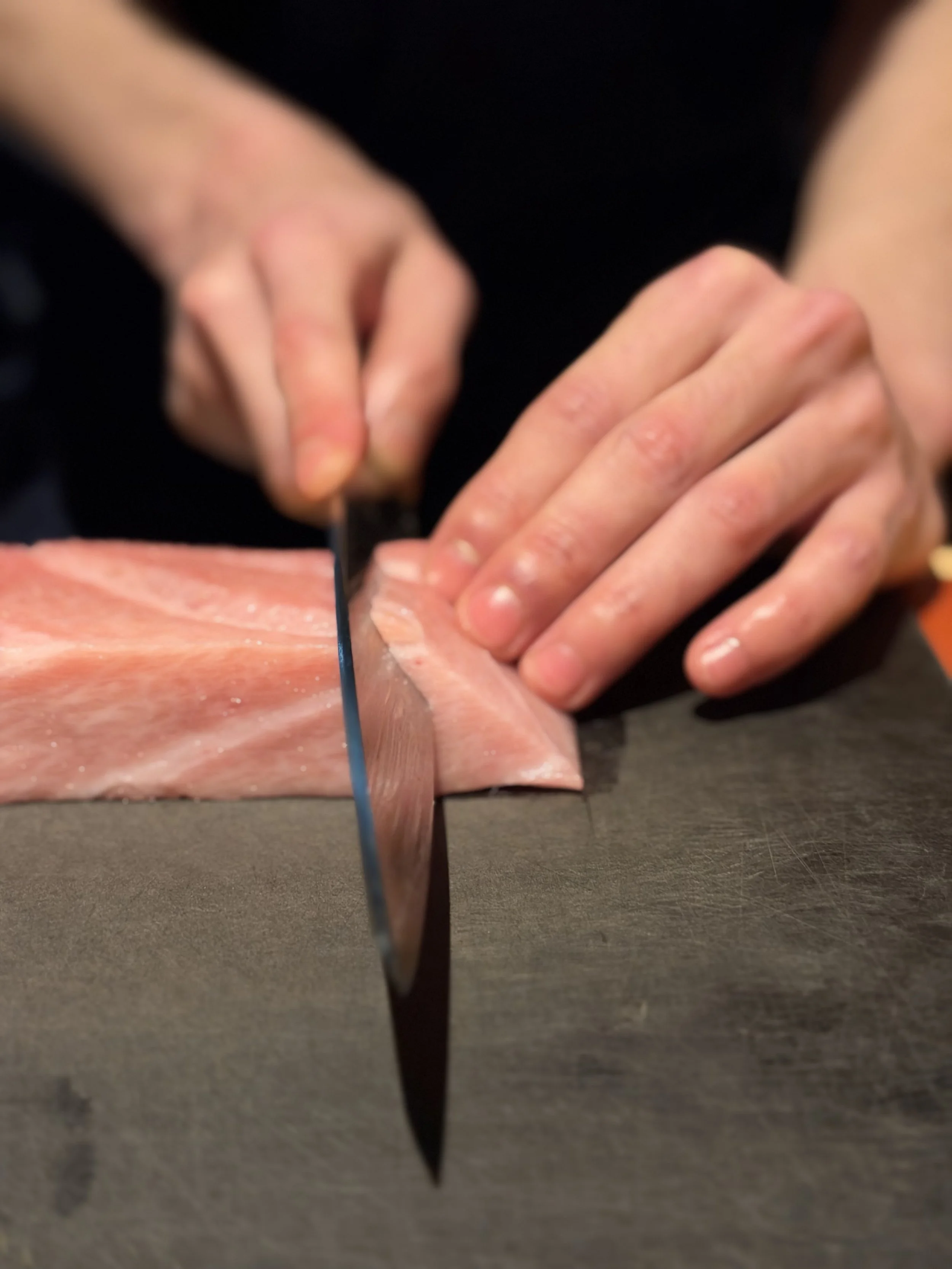
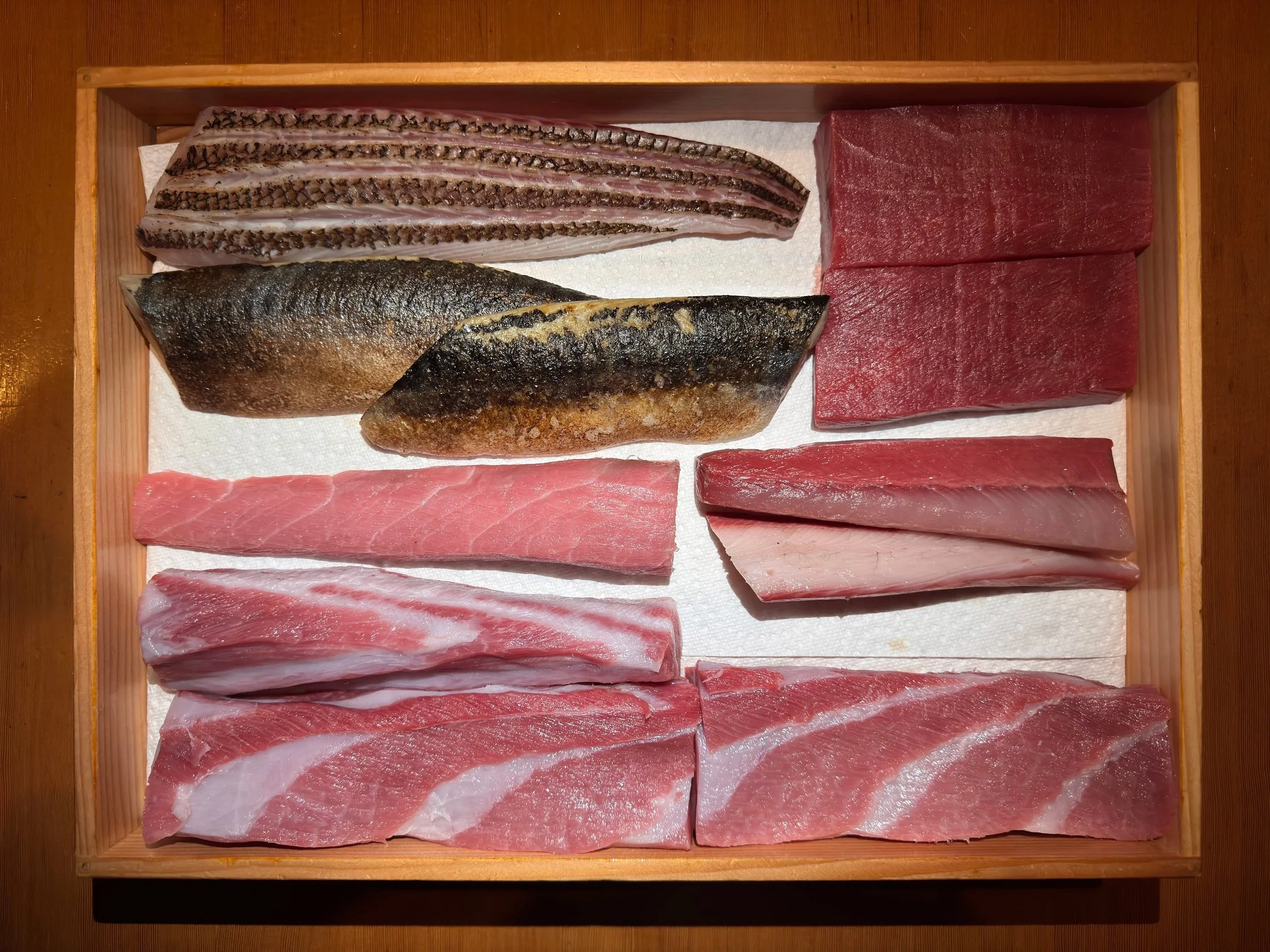
Not every fish is at its best when prepared in the same way. Some are best enjoyed in their natural state, while others develop greater depth of flavour and a more refined texture through careful preparation.
The decision begins with understanding the fish itself. Depending on its characteristics, we may choose to age it, cure it, marinate it, or gently rest it with kombu. Each technique serves a different purpose, bringing out qualities that might otherwise remain unnoticed.
These methods have been passed down through generations of Japanese culinary tradition. Rather than reinventing them, we focus on understanding how and when to apply them.
From the gentle acidity of vinegar-cured mackerel to the subtle umami of kombu-cured white fish and the savoury richness of soy-marinated tuna, each preparation brings a different expression of flavour and texture.
Sometimes, the best approach is to do very little. Other times, patience and preparation can reveal an entirely different side of an ingredient. Knowing the difference is an essential part of our craft.